.svg)
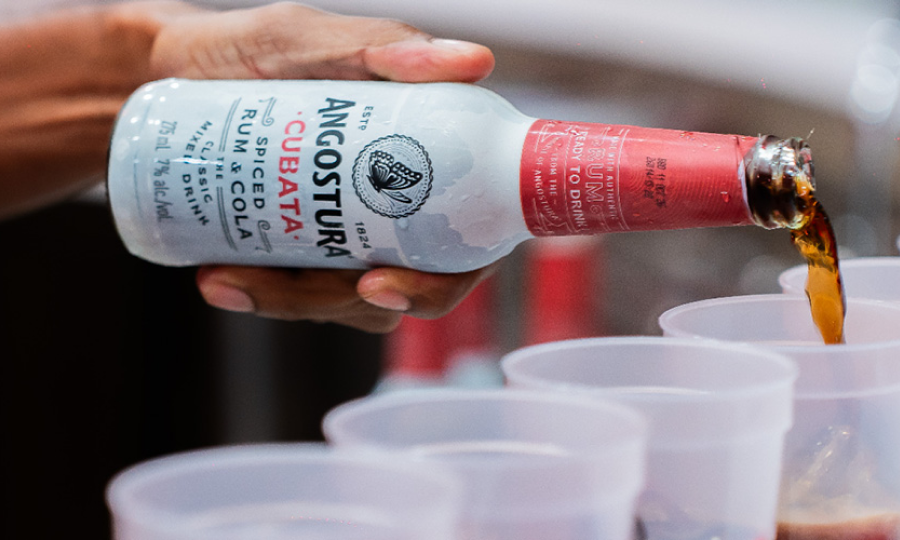
Angostura is shaking up the Carnival season – and the ready-to-drink market – with Cubata, a new spiced rum and cola beverage that blends tradition with innovation. The Trinidad & Tobago distiller’s latest move targets young adult consumers with on-the-go convenience, while simultaneously rebranding its retail outlets and exploring non-alcoholic bitters to align with global trends.
Angostura Cubata is a premium ready-to-drink (RTD) take on the classic rum-and-cola, but with a twist of Caribbean spice. Instead of the usual white rum used in a Cuba Libre, Cubata features Angostura’s Tamboo Spiced Rum – a dark, vanilla-and-cinnamon noted spirit – blended with cola. The choice of spiced dark rum (versus traditional white) gives the drink a richer flavor profile and a point of differentiation. Cubata’s alcohol content is 7% ABV, positioning it at the higher end of the RTD strength range. This bolder formulation aims to deliver a “vibrant, flavour-forward experience” that celebrates Caribbean character while satisfying modern tastes.
The product was introduced in January 2026 ahead of Trinidad’s Carnival, a peak season for social drinking. At the launch event, Angostura executives highlighted that Cubata was developed as a “signature serve” – essentially packaging a beloved cocktail in a convenient format. By canning (or bottling) a ready-made rum & cola, Angostura is providing instant mixology: a drink that traditionally requires two ingredients can now be simply cracked open and served. This convenience factor is key to attracting the target demographic of 21–35 year-old urban professionals, creatives, and hospitality workers who value quick service and lifestyle-oriented products. Angostura’s acting CEO Ian Forbes noted that the Cubata concept was a direct response to “the continued growth of the RTD alcohol market, driven by convenience, experimentation and lifestyle-based consumption”.
From a branding perspective, Cubata carries Angostura’s well-known name (synonymous with rum and bitters) into a new category. The company is framing it as their signature spin on one of the world’s most popular cocktails, “reimagined for today’s on-the-go consumer”. This aligns with a broader trend of premium spirits brands extending into RTDs to meet consumers where they are. In the words of Angostura Chairman Gary Hunt, “Innovation has always been at the heart of the House of Angostura… Today’s consumers want great taste, convenience, and a brand that reflects who they are”. With Cubata’s launch, Angostura is signaling that it understands those consumer desires and is willing to refresh even a timeless recipe like rum-and-cola for a new generation.
Angostura’s foray into spiced rum & cola RTDs comes as the ready-to-drink category continues to surge worldwide. Consumers, especially millennials and Gen Z of legal drinking age, have gravitated toward RTDs for their ease and consistency. Global beverage analysts note that the RTD sector has seen accelerated growth in recent years. Within this space, rum-based RTDs are emerging as a “powerful frontier” – a high-potential segment alongside the more established hard seltzers and canned cocktails. Angostura is leveraging its rum heritage to capitalize on this trend at an opportune time.
Market data backs up the enthusiasm: In many regions, ready-to-drink cocktails have been one of the fastest-growing alcohol segments. Forbes pointed out that rum-based RTDs are on the rise “particularly among younger consumers,” who are open to new flavor combinations and enjoy the fun, experimental image of cocktails in a can. The convenience factor (no bartending skills or ingredients needed) also fits modern lifestyle habits – think music festivals, house parties, or just a grab-and-go refreshment after work.
Angostura is not alone in spotting the rum-and-cola revival. Major competitors have also released their own takes on this classic mix, validating the market opportunity. For instance, spirits giant Bacardi partnered with Coca-Cola to launch a ready-to-drink Rum & Coke in select markets in 2025 – even offering a spiced rum variant – sold in 330ml cans. Those came at a milder 4.8% ABV, targeting casual drinkers looking for a nostalgic yet convenient choice. Angostura’s Cubata, by contrast, is bolder in both flavor and strength, which could appeal to consumers seeking a more pronounced rum kick. By being first-to-market locally with a spiced dark rum and cola RTD, Angostura aims to define the category in the Caribbean region and potentially beyond. The company has indicated plans for wider regional and international distribution of Cubata after its Trinidad and Tobago debut, positioning it as part of Angostura’s export portfolio in the near future.
From a strategic standpoint, entering the RTD arena allows Angostura to diversify its product mix and capture occasions that its core rum or bitters products might miss. RTDs typically attract consumers who might not be traditional rum drinkers or who prioritize convenience over custom cocktail craft. By offering a ready-made option with authentic Angostura ingredients (using its own Tamboo spiced rum), the brand can reach new customers without diluting its premium image – as the drink is marketed as a “premium bold” cocktail in a can, rather than a low-end mixed drink. This straddling of quality and convenience is a delicate balance many alcohol brands are trying to achieve. Angostura’s approach illustrates how a legacy brand can ride the RTD wave by leaning on its strengths (rum expertise and Caribbean flavor) while meeting contemporary consumer needs.
In tandem with product innovation, Angostura is sharpening its branding strategy at the retail level. The company announced that its own local retail outlets, currently known under the Solera Wines and Spirits name, will be rebranded as House of Angostura Wines and Spirits. This move may seem cosmetic, but it reflects a significant strategic intent: to more directly link Angostura’s name with the consumer-facing storefronts and create a unified brand experience.
Gary Hunt explained that having the Angostura name front-and-center in retail is vital for simplicity and recognition. “It’s very hard to connect Solera with Angostura… In the branding world, you want to keep things simple. Apple is Apple, Microsoft is Microsoft… It’s very easy to connect House of Angostura with Angostura,” he noted at the launch event. By adopting the House of Angostura banner, every touchpoint – from the products to the stores – will reinforce the core brand. This simplification is expected to strengthen Angostura’s identity, especially as the company looks outward to international markets.
In fact, Angostura has bold ambitions to extend its physical presence into key global cities. The eventual goal, as Hunt revealed, is to open House of Angostura flagship outlets in locations abroad that have large Trinidad & Tobago diaspora communities, such as Brooklyn (New York) and Toronto. These diaspora hubs represent low-hanging fruit for international expansion: expatriate Trinbagonians have built-in affinity for hometown brands like Angostura. “Wherever we have diaspora, they are all yearning for Trinidad and Tobago, and Angostura represents a very strong cultural connection,” Hunt said. By setting up shop in diaspora-rich cities, Angostura can both serve an eager existing audience and introduce the brand to new consumers in those markets through a branded retail experience.
For C-suite marketing leaders, this strategy underscores the importance of brand coherence and community engagement when expanding globally. Angostura is aligning its corporate brand, product brands, and retail presence under one banner, which can amplify brand equity. Additionally, tapping into diasporic communities is a savvy way to seed overseas growth – essentially leveraging loyal brand ambassadors who carry their local pride abroad. If successful, an Angostura store in Brooklyn or Toronto could become not just a point of sale for rum and bitters, but a cultural outpost that promotes Trinidadian mixology, cuisine, and heritage. This aligns well with Angostura’s positioning as a storied brand (over 195 years old) that embodies a slice of Caribbean culture.
Even as Angostura doubles down on alcoholic beverages like Cubata, it is also looking ahead to the rise of low- and no-alcohol drink trends. One particularly intriguing revelation from Hunt is that Angostura is “actively considering” developing non-alcoholic products – including a non-alcoholic version of its famous bitters. Angostura’s aromatic bitters (45% ABV) are world-renowned in mixology, but as more consumers seek booze-free cocktails, an alcohol-free bitters could open new possibilities for the brand in home and professional bars. This would mirror moves by other players who have introduced alcohol-free spirit alternatives and flavor additives to cater to sober-curious consumers.
The push toward non-alcoholic options is not just a niche fad; it reflects a significant shift in consumer behavior. Younger generations are drinking less alcohol on average, or at least more selectively, than prior cohorts. Global studies project robust growth in the no/low alcohol segment in the coming years. In fact, the no-alcohol category is expected to expand by over $4 billion in value by 2028 (across key markets), with an estimated +7% compound annual growth in volume for non-alcoholic beverages. Much of this growth is driven by health-conscious Gen Z and millennials who still want flavorful, sophisticated drink experiences without the intoxication. Hunt acknowledged this reality, noting that “you cannot ignore the trends… Gen Z’s and the millennials are the ones that set the trend,” and companies risk irrelevance if they don’t adapt to changing tastes.
For Angostura, exploring a non-alcoholic bitters or related zero-proof mixers would be a forward-looking hedge. It can leverage the brand’s mixology credibility to offer products for mocktails and low-ABV cocktails, ensuring it doesn’t miss out on a growing segment of consumers. Importantly, doing so doesn’t mean abandoning their core identity – it’s about addition rather than substitution. Angostura can continue to sell rum and alcoholic bitters, while also capturing market share in the burgeoning alcohol-free arena. As Hunt indicated, the trend of alcohol “imitation” beverages (like spirit-free distilled botanicals, alcohol-removed wines, etc.) may be in its early days in the Caribbean, but “whatever happens up north always happens [here] eventually”. By being proactive (“we will be at the front of it”), Angostura aims to remain a regional trendsetter and not cede ground to new upstart brands that specialize in no-alcohol drinks.
This initiative also ties into Angostura’s long-term corporate goals. The chairman’s “Angostura 2.0 x3” strategy sets ambitious targets to double the company’s revenue and triple its profits by 2028. Achieving that kind of growth likely requires tapping into new markets and categories. Non-alcoholic products could contribute a new revenue stream, while RTDs could capture more volume sales from convenience-seeking customers. Together, these innovations (along with global expansion of brand presence) form a multi-pronged growth plan.
Angostura’s recent moves offer a case study in how a legacy alcohol brand can innovate and stay relevant in a changing market. Some insights and lessons include:
In summary, Angostura’s launch of Cubata and its broader strategic initiatives reflect a dynamic response to the evolving landscape of the alcohol business. By blending a respect for tradition with an eye on contemporary trends, Angostura is aiming to capture both the hearts of Carnival revelers today and the loyalty of the next generation of consumers tomorrow. Brand owners and marketers in the spirits sector would do well to watch this “spiced-up” approach – it’s a prime example of how to keep a 200-year-old brand feeling fresh, relevant, and ready to grow.
.svg)
Industry intel in your inbox — from major headlines to expert insights, stay ahead in the business of alcohol.

.png)
.png)
.png)
.png)
.png)
.png)
.png)
.png)