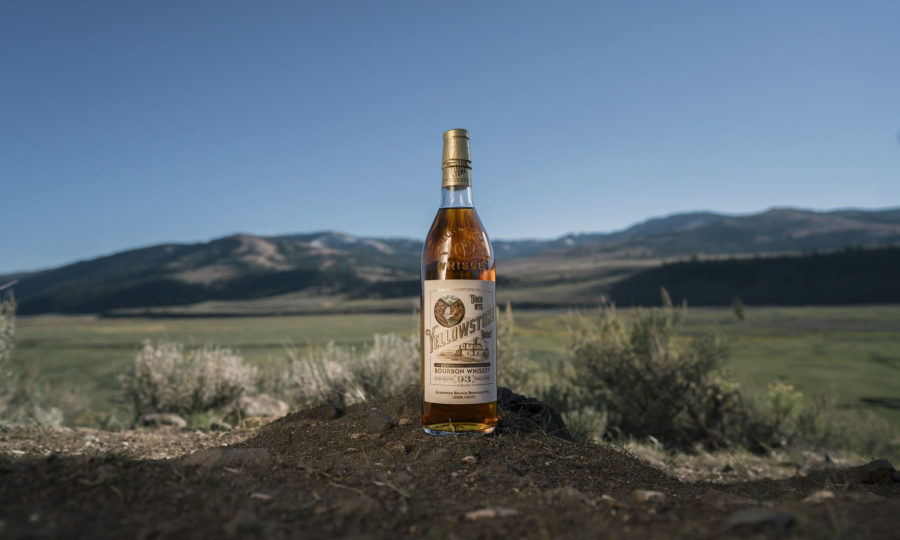
Yellowstone Bourbon and California “wildlife wines” are partnering with conservation causes to boost brand appeal for eco-conscious consumers. By aligning products with preservation efforts, these alcohol brands leverage authentic storytelling and donations to differentiate themselves in a crowded market. Two recent case studies illustrate this trend: Yellowstone Bourbon’s decade-long national parks partnership, and two new California wines (1000 Stories Stampede Chardonnay and Menagerie) that dedicate proceeds to wildlife conservation.
Yellowstone Bourbon: Capitalizing on a Park Heritage
Yellowstone Bourbon - named after America’s first national park - has made conservation central to its brand. Since 2018 the Kentucky distillery has donated over $1 million to the National Parks Conservation Association. In early 2026, the brand renewed its commitment with a reported $250,000 annual donation (including a $25,000 gift announced in April). NPCA President Theresa Pierno praised this long-term partnership, noting the brand’s support of “many national park victories” as the parks celebrate America’s 250th anniversary.
Yellowstone’s seventh-generation Master Distiller, Stephen Beam, embodies this ethos. He says he “grew up visiting national parks” and now leads the company’s mission to give back. The brand spins this story into diverse marketing content: music videos filmed on park lands, social-media campaigns, commemorative Bourbon bottlings, and even guided park adventures with Beam himself. These efforts earned Yellowstone Bourbon the NPCA’s 2023 National Park Defender Award for “exceptional dedication to national park protection”. NPCA CEO Tiernan Sittenfeld calls Yellowstone Bourbon an “incredible ally in our work to protect our national parks”.
- Strategic alignment: The Bourbon’s name and heritage naturally link to national parks, making its conservation commitment seem authentic. Consumers intuitively connect “Yellowstone Bourbon” with supporting parks.
- Rich storytelling: Beyond press releases, the brand creates shareable experiences (e.g. country music videos in parks) that reinforce its mission.
- Tangible impact: Publicizing milestones (>$1M raised) and specific projects (e.g. flood relief in Yellowstone) builds trust. As brand manager Kelly Panzitta notes, reaching a $1M donation milestone “is a testament to the power of partnerships”.
- Extended CSR: Yellowstone even launched a line of ready-to-serve bottled cocktails whose proceeds fund the Vital Ground Foundation for grizzly bear habitat. This shows how multiple environmental ties can deepen the narrative.
In sum, Yellowstone Bourbon’s campaign is a model of cause marketing in spirits: the conservation angle is inseparable from the product’s identity. The lesson for marketers is clear: link a cause that fits your brand’s story, and demonstrate measurable commitment.
California’s Wildlife Wines: From Supermarket Bison to Ultra-Premium Big Cats
Meanwhile, two new California wine brands are using wildlife conservation to stand out - one at the mass-market end, the other at the luxury end.
- 1000 Stories Stampede Chardonnay (Asda, £10) - A California Chardonnay (76% chardonnay + aromatic whites) by Bonterra Organic Estates, owned by Concha y Toro. A portion of profits supports Yellowstone’s native bison conservation via the non-profit Yellowstone Forever. The label’s “Stampede” theme and buffalo imagery evoke the American West.
- Menagerie Wines (Direct luxury, £400-£1350) - A Napa Valley project by entrepreneurs Ricky and Lisa Novak (with winemaking by Rob Mondavi Jr., Maayan Koschitzky, Philippe Melka). Each vintage (e.g. Shadow of Jaguars, Conspiracy of Lemurs) is a small-batch blend finished in rare spirit barrels, and 5% of sales (10% at special events) goes to Tusk Trust, a UK charity for endangered African wildlife (elephants, rhinos, big cats, etc.).
Wildlife themes - from North American bison to African big cats - are central to these brands’ stories. The $10 Stampede Chardonnay was launched in Asda stores on 20 April 2026 with a clear message: proceeds “directly support transferring Yellowstone bison to Tribal nations”. 1000 Stories partnered with Yellowstone Forever so that every bottle helps fund the park’s Bison Conservation Transfer Program. This federal initiative relocates surplus wild bison (to avoid slaughter) by quarantining and testing them, then sending family herds to Native American tribes. As of 2024, nearly 190 Yellowstone bison have been rehomed to tribal lands.
From a marketing perspective, 1000 Stories’ approach has key strengths:
- Visibility and affordability: A £10 price point in a national supermarket lets a wide audience see the buffalo branding. Off-premise retail is ideal for conservation messaging because consumers can read labels and in-store info.
- Authentic narrative: Marketing materials (on pack and online) explain exactly how funds go to Yellowstone Forever’s program. As 1000 Stories’ marketing head Preety Johl puts it, Stampede is about “making a positive impact” and “bringing authenticity back to US wine”.
- Product appeal: The wine is crafted to be approachable and buttery - the core product is solid - while the conservation story adds value.
Critically, experts caution that cause credentials alone won’t sell wine. Berkmann buyer Emma Dawson notes that price, variety and quality remain primary purchase cues, and special attributes usually only sway a consumer choosing between similar options. Nevertheless, embedding a “feel-good” story can give Stampede an edge. The brand emphasizes that every bottle helps keep bison thriving (“feel-good moment for consumers” of everyday shopping). Plans are already in place to extend the concept - a Stampede Cabernet is due in August 2026.
Menagerie Wines turns each bottle into a collectible. The brand’s Italian artist Andrea Minini designs an elaborate animal motif (jaguar, lemur, elephant, etc.) etched on the box for each vintage. This visual artistry reinforces the mission. But Menagerie’s strategy is very different from Stampede’s:
- Ultra-premium positioning: Menagerie is tiny-production (fewer than 300 cases imported), sold only through elite restaurants and clubs (e.g. 67 Pall Mall, Gordon Ramsay Group). Collectors pay ~£450-£1350 for a three-bottle set. This exclusivity lets the brand focus on storytelling and luxury experience rather than mass appeal.
- Purpose plus prestige: Menagerie blends Cabernet-dominated wines with an unusual finishing technique (aged in rare spirit casks) to earn wine critics’ respect. Co-founder Ricky Novak explains that pairing superb wine with a social mission has a “genuine alignment” that resonates with thoughtful consumers. Indeed, a core message is that today’s buyers “are more thoughtful about what they support,” and Menagerie offers both craftsmanship and a broader purpose.
- Cause partnership: Menagerie’s 5% donation to Tusk Trust supports conservation and local communities in Africa. This partnership was chosen for Tusk’s track record and “holistic” approach, per Novak. Menagerie also collaborates with wildlife photographer David Yarrow to broaden reach (e.g. a limited Yarrow×Menagerie Cabernet release).
- Market fit: In contrast to supermarket buyers, Menagerie’s on-trade customers rely on sommeliers. Dawson notes that restaurant wine lists seldom feature detailed backstories. Menagerie addresses this by targeting venues that appreciate narrative - and even dreams of being the kind of wine served at premium safari lodges. While conservation graphics are less visible on a list, the story adds cachet for the trade and media.
Both approaches - mass-market bison wine and luxury African wildlife wine - illustrate different models of “wildlife wine.” Each has merits for its market segment. The Stampede campaign generates volume and broad awareness, while Menagerie creates buzz in the luxury space and underscores the brand’s uniqueness.
Takeaways for Brand Owners and Marketers
These cases demonstrate how aligning an alcohol brand with conservation can enhance its story and appeal if done authentically. Key lessons include:
- Align mission with brand identity: Yellowstone Bourbon’s legacy (150-year heritage linked to national parks) makes NPCA partnership credible. Likewise, 1000 Stories leveraged American West imagery, and Menagerie focused on art and elite positioning to match its cause. A genuine fit is essential; consumers spot insincerity.
- Use storytelling and content: Both companies created rich narratives - video series, music collaborations, photography - to engage audiences. Yellowstone Bourbon is even funding a video series on park protection impacts. High-quality content and visuals make the cause tangible and shareable.
- Provide evidence of impact: Publicize concrete results. Yellowstone Bourbon highlights “over $1M donated” and NPCA victories, while 1000 Stories could highlight the number of bison saved. Communicating outcomes (donation totals, program milestones) builds trust.
- Choose the right channels: Off-trade (retail) is ideal for cause-focused branding because label design and point-of-sale materials can tell the story to shoppers. Ultra-premium on-trade brands should equip sommeliers and media with the story, since logos on wine lists are less visible. As Emma Dawson points out, the “visual cues” of conservation labels get lost in restaurant settings. Plan marketing collateral accordingly.
- Balance purpose with product: Ensure the wine or spirit itself is high quality. According to experts, purpose alone seldom convinces a buyer - price and taste matter most. In both cases, the brands paired their cause with carefully crafted beverages. The cause message then provides differentiation on top of solid credentials.
- Engage credible partners: Working with established nonprofits (NPCA, Yellowstone Forever, Tusk) and communities lends authenticity. For example, Yellowstone’s bison program involves tribal authorities and USDA, which adds legitimacy beyond just a marketing gimmick.
-
Open Questions and Limitations
- Sales impact unknown: We do not have public data on how these campaigns translate to sales uplift or market share. Future research could compare sales trajectories pre- and post-campaign.
- Consumer perception: It remains to be seen how mainstream drinkers vs. connoisseurs respond over time. Surveying target demographics would reveal whether the conservation message changes purchase behavior or just enhances brand image.
Overall, these initiatives show that alcohol brands can harness conservation as a strategic differentiator. By embedding genuine social purpose into product and story, marketers can resonate with values-driven consumers - as long as the wine or whiskey behind the cause is worthy of the support it promotes.
.svg)
.svg)

.png)
.png)
.png)
.png)
%20(1).png)
.png)
.png)
.png)